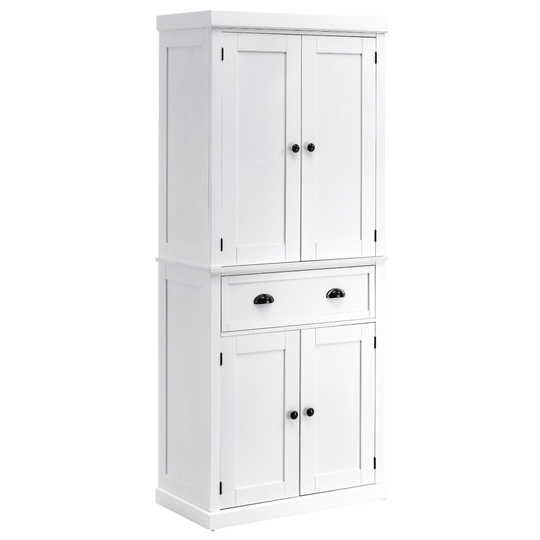
A well organised pantry makes cooking easier, saves money on duplicate shopping and cuts down on food waste. Yet the pantry is often the first place to become cluttered: half-open packets at the back, three bags of rice you forgot about and spices you cannot find when you need them. The good news is that sorting it out is a job you can usually finish in an afternoon.
Step 1: Empty and clean
Start by taking everything out. It is the only way to see what you really have.
- Wipe down the shelves and walls, and check for crumbs or spills in the corners.
- Throw away anything past its use-by date and anything that has gone stale.
- Put food that is still good but rarely used to one side, so you remember to use it soon.
This is also a good moment to look at the cupboard itself. Note any shelves that are too high, too deep or hard to reach.
Step 2: Group food by type
Sort everything into groups before you put it back. Common categories include:
- Breakfast items, such as cereals and oats
- Pasta, rice and grains
- Tins and jars
- Baking ingredients
- Snacks
- Herbs, spices and oils
- Sauces and condiments
Grouping items makes it easy to see when you are running low, and helps everyone in the household find things quickly.
Step 3: Use containers and organisers
Containers keep food fresh and make shelves look neater. Clear, airtight containers work well for dry goods like pasta, flour and cereals, because you can see at a glance how much is left. A set of three storage containers is a simple way to start.
Other useful organisers include:
- Turntables for corners and deep shelves, so items at the back do not get lost.
- Tiered shelf risers for tins and jars, so you can see the labels on every row.
- Baskets and boxes for loose items like snack bars and sauce sachets.
- Door racks for spices and small bottles.
Label containers with the contents, and add the use-by date if you decant food from its packaging.
Step 4: Put things back with a plan
Think about how often you use each group when deciding where it goes.
- Keep everyday items at eye level and within easy reach.
- Store heavy items, such as bulk bags and drinks, on lower shelves.
- Put rarely used items and spare stock on the top shelf.
- Place newer items behind older ones, so the oldest gets used first.
What if you do not have a pantry?
Many kitchens, especially in older homes and flats, do not have a separate pantry. A tall freestanding cupboard can fill the gap. A unit such as this freestanding pantry cupboard gives you adjustable shelves and doors to hide everything away. If you are planning a new kitchen, a tall larder unit or pull-out pantry can make good use of a narrow gap between cabinets.
Keeping it tidy
The secret to a tidy pantry is a little regular attention. Have a quick look before each big shop, put new items in the right place straight away and give the shelves a wipe every few weeks. Once a system is in place, it takes only minutes to maintain.
For more storage ideas, see our range of pantry cabinets.